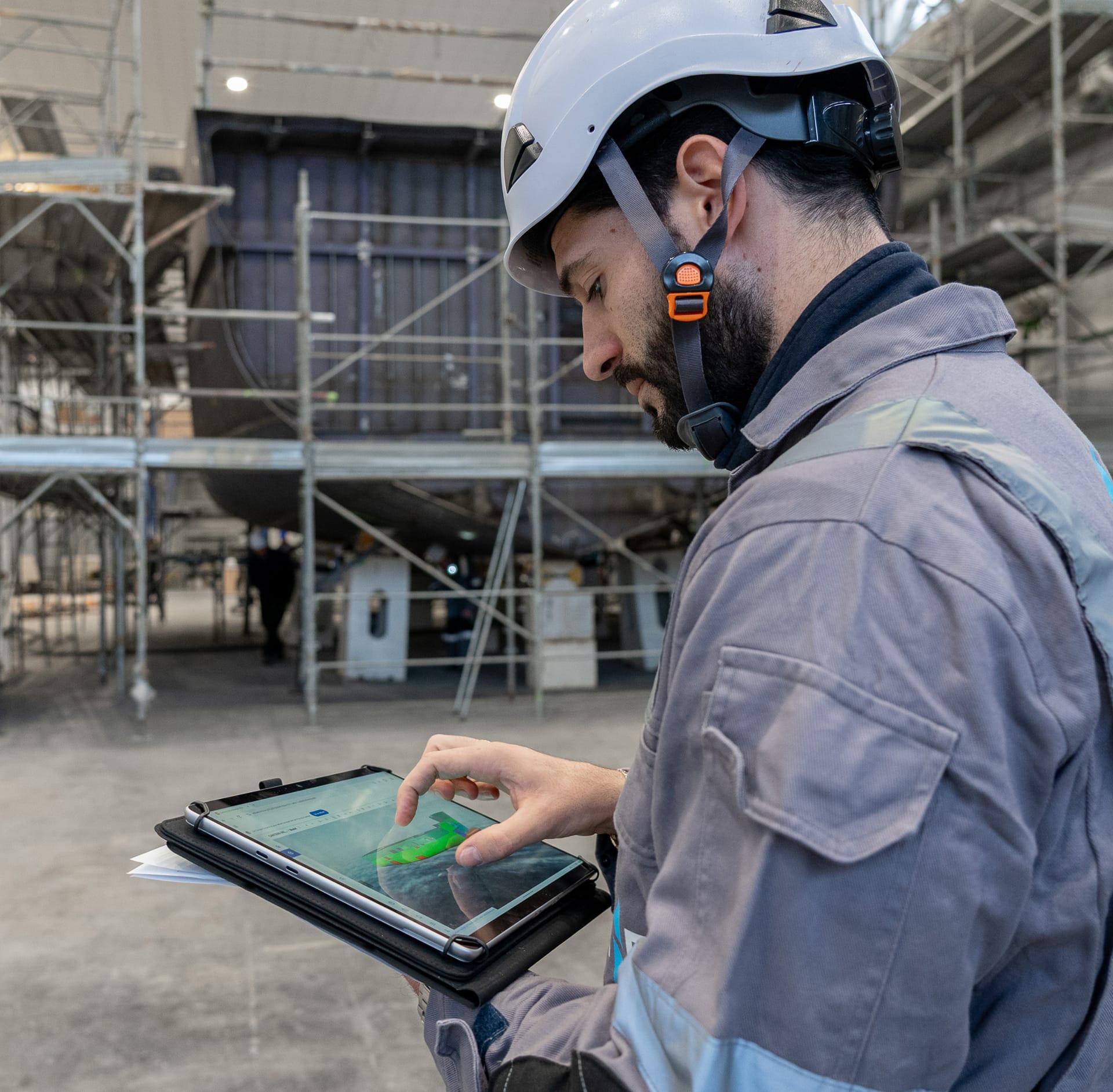

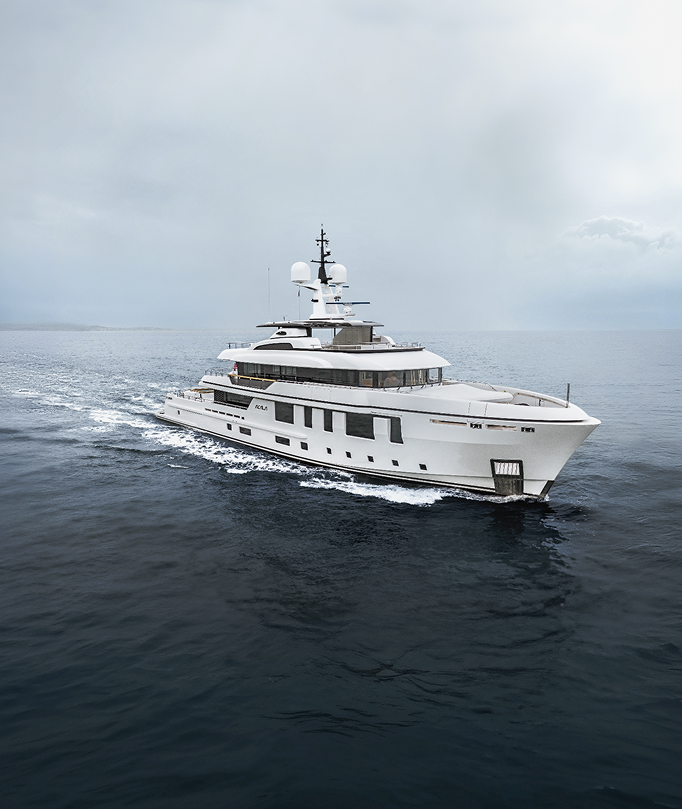
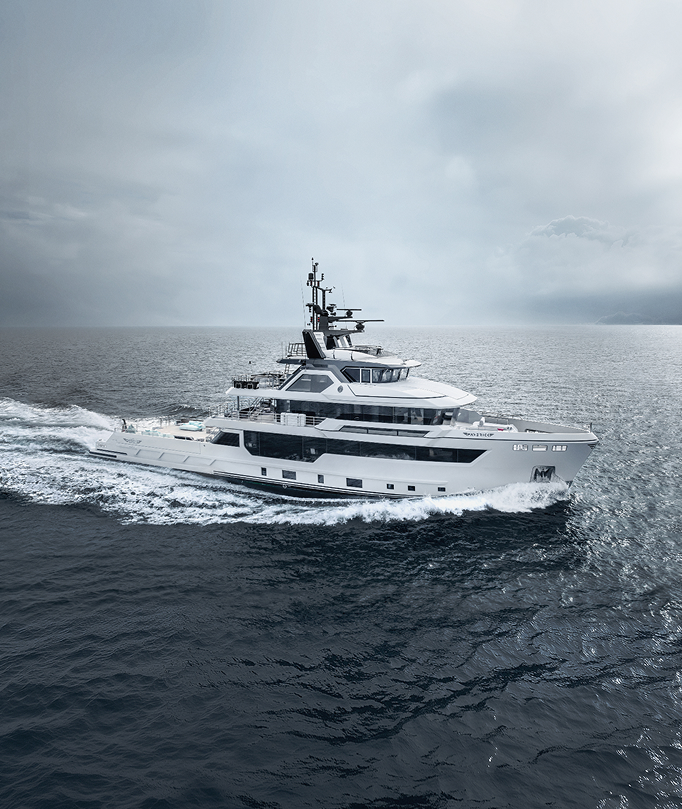

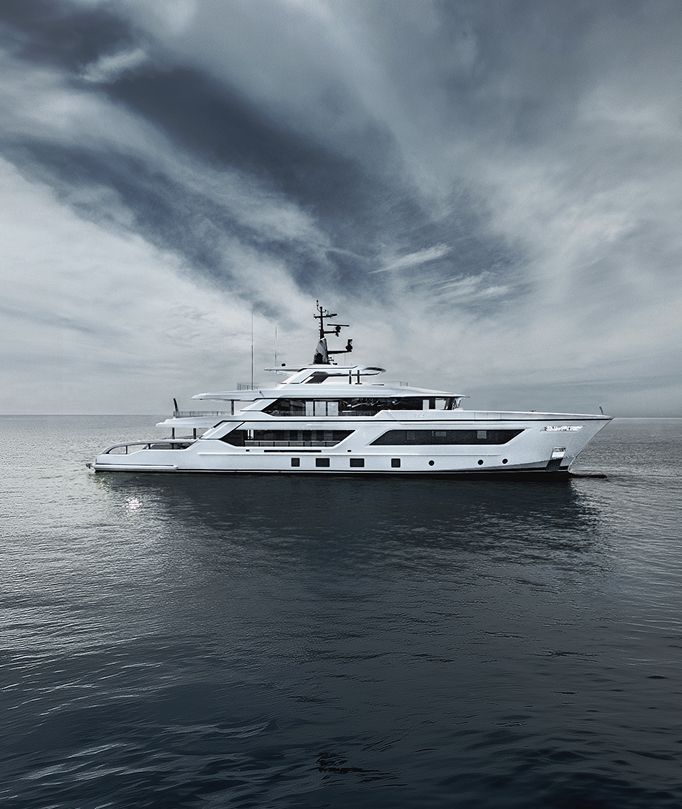






RINA and Cantiere delle Marche have transformed 3D model–based approval into a consolidated operational standard for the structural and metalwork approval of yachts. This shift replaces traditional 2D drawing–based workflows with the direct validation of a single, integrated 3D model, which becomes the sole “source of truth” for design, construction, and classification.
In line with the Operational Management’s commitment to full digital governance, the design verification and approval process is developed entirely on a single, integrated 3D model. This model includes structures, ship systems, and technical outfitting, as well as exterior and interior design—from net spaces to architectural drawings, through to detailed joinery drawings—providing a coordinated, multidisciplinary view of the entire project. Dedicated roles oversee alignment and continuous updating of data and the model, ensuring consistency and traceability. Collaboration with RINA makes it possible to extend this methodology to Class approval as well, ensuring that compliance requirements are verified directly on the digital model. The adopted approach strengthens
design robustness and increases the efficiency of the construction process, reducing iteration times and minimizing the risks of misalignment among different disciplines.
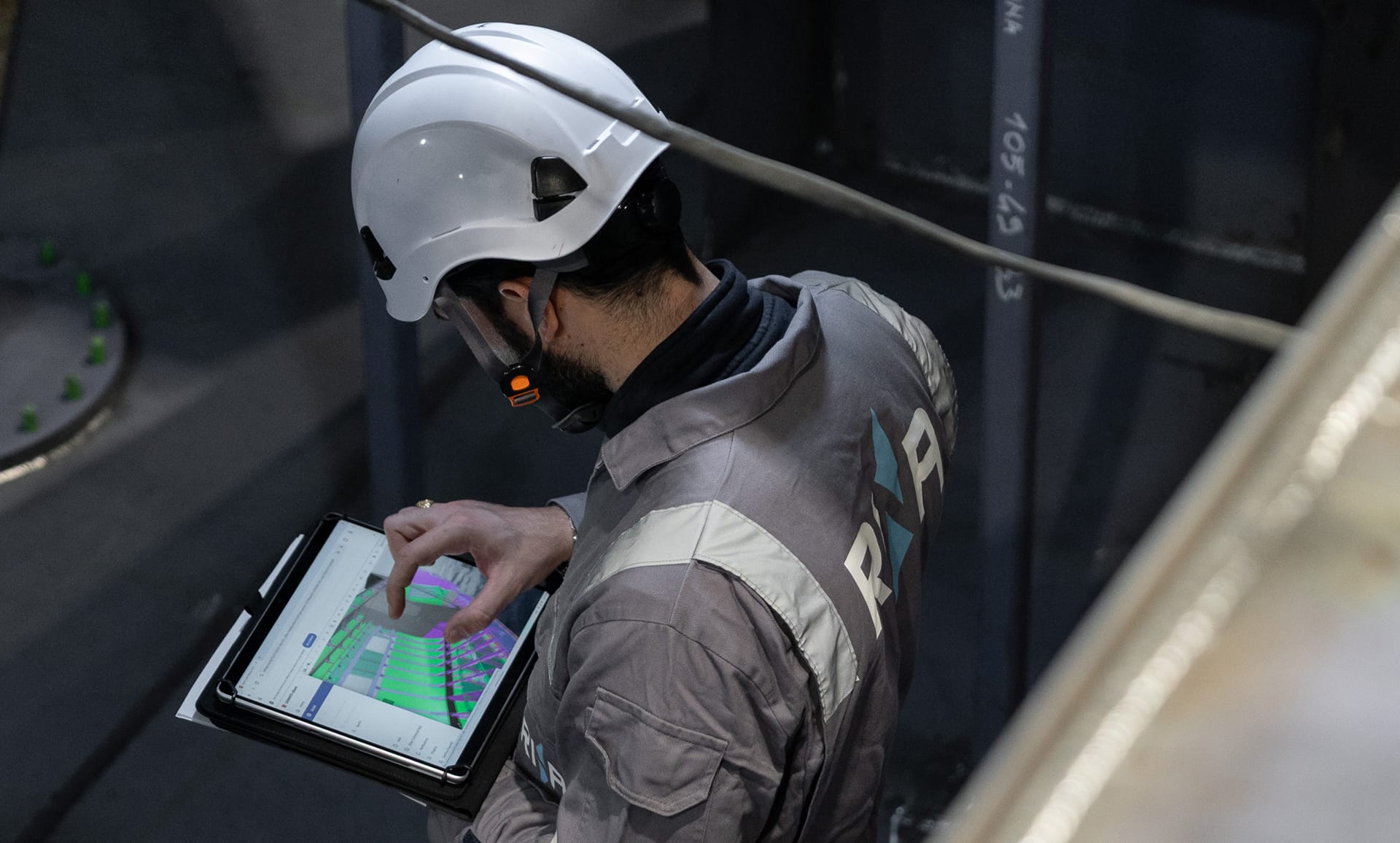
RINA supports this transformation through advanced digital platforms capable of directly interrogating 3D models to verify materials, thicknesses, and structural continuity. Class approval thus becomes a fully digital process, significantly accelerating review cycles and ensuring that compliance is verified directly at the design source.
The adoption of coordinated, multidisciplinary 3D models is considered an engineering necessity rather than a technological option. It enables full traceability, real-time updates, and solid data governance thanks to roles dedicated to coordination. The integrated model supports the entire yacht life cycle, from design and construction through to future inspections and maintenance activities.
Overall, this approach delivers measurable benefits in terms of efficiency, risk reduction, and design robustness. It marks a decisive step toward complete digital governance in naval engineering, where the physical yacht is the faithful realization of a validated digital twin.
Pierluigi Longobardi, Technical Manager at CdM, highlights the engineering
value:
“The implementation of the 3D model enables the integration of structural, system, and outfitting elements, allowing us to refine detailed engineering and improve the quality of our Explorers in order to optimize the onboard assembly process. The integrated 3D model ensures project robustness, becoming the guarantor of compliance and quality.”
RINA and the validation of the digital twin
From the classification society’s perspective, the adoption of 3D approval is equally transformative. RINA has developed platforms capable of “interrogating” the models received from the shipyard, verifying thicknesses, materials, and structural continuity directly within the virtual environment.
Giorgio Gallo, Yachting Director at RINA, states:
“From the perspective of the classification society, the adoption of 3D Approval is equally revolutionary. RINA has developed platforms capable of ‘interrogating’ the models received from the shipyard, verifying thicknesses, materials, and structural continuity directly within the virtual environment. This experience has propelled our workflow toward a digital future. We are transferring the experience gained in the marine sector to the yachting market. Having a single integrated system ensures a better flow of data, information, and design changes, thereby transferring details directly to the production process. The system brings together designers, engineers, the shipyard’s technical office, and the production department within one unified environment. The Ship Model Approval project represents one of the pillars of our new brand, RINA MAXIMA, services dedicated to yachting.”